Spin bike vs exercise bike: what is the actual difference?
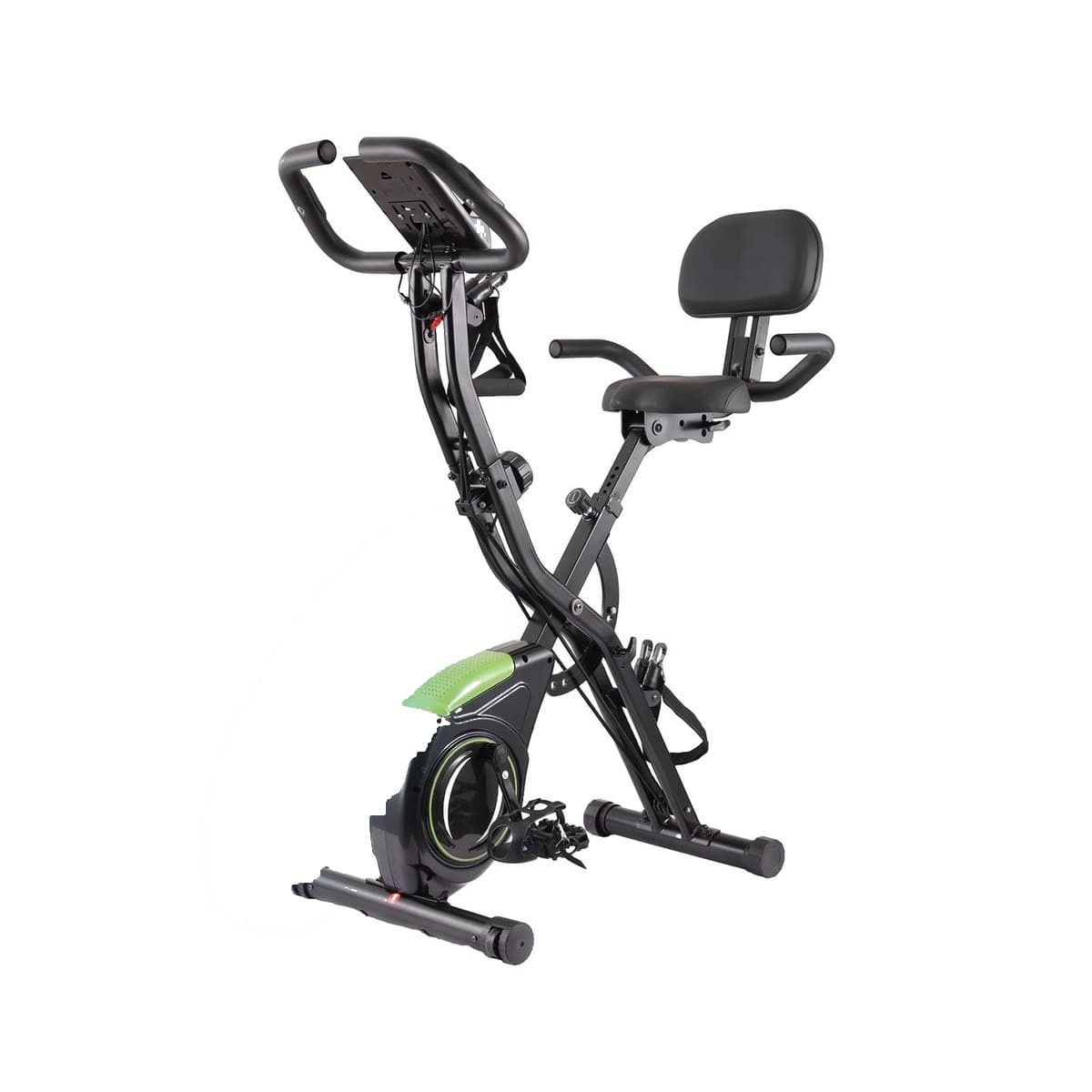
The spin bike vs exercise bike question has a short, mechanical answer. A spin bike carries a heavy weighted flywheel, 11 kg on ours, and seats you in a forward, racing position built to be ridden hard and out of the saddle. A standard exercise bike carries a light flywheel, 3 kg on our upright, and sits you upright and comfortable for steady, seated cardio. Same pedals, two different machines: spin is for hard, standing interval training, standard is for comfortable everyday riding. We sell both, we have ridden both, and this guide splits them by how they actually feel rather than by what either label promises.
Written by the Exercise Bike team. We sell both types and have ridden both, so neither side gets the hard sell. Updated 19 July 2026.
Contents
Key facts
- Studio Pro S3 flywheel
- 11 kg, weighted
- CityRide U2 flywheel
- 3 kg, magnetic
- Assembly time
- 45 min vs 15 min
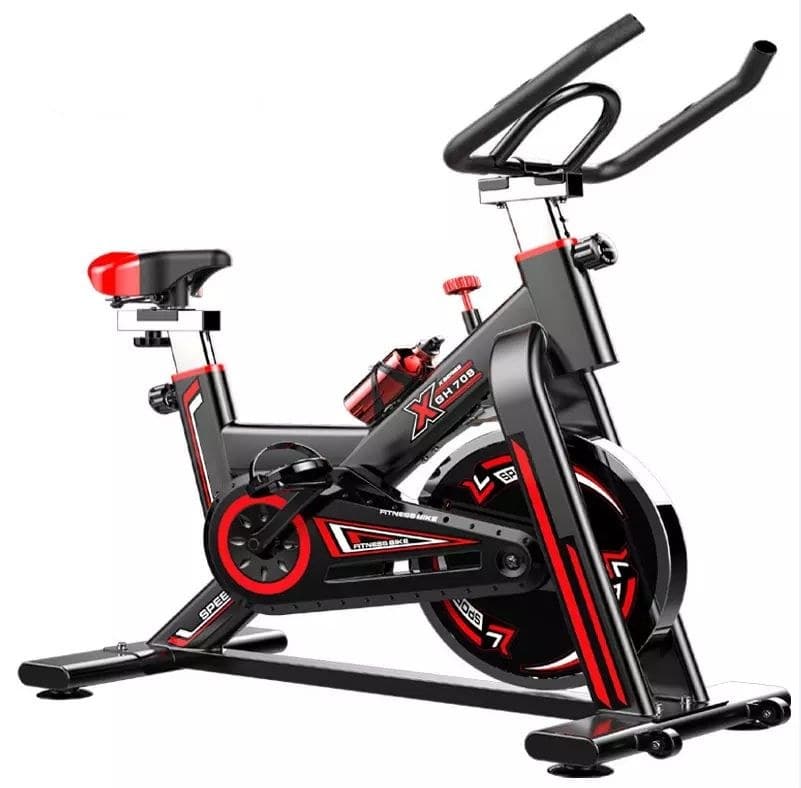
Studio Pro S3
Our spin bike, £279.00 including VAT. Feels like the gym, our owner's own words after riding it.
See the Studio Pro S3Key takeaways
- 1A spin bike has a heavy weighted flywheel (11 kg on ours) and a forward racing position built for riding hard out of the saddle.
- 2A standard exercise bike has a lighter flywheel (3 kg on our upright) and an upright, comfortable position for steady cardio.
- 3Our owner described the spin bike as feeling like the gym, and the standard bike as never biting even at its top resistance level.
- 4Neither is a lesser version of the other. Buying the wrong one for how you ride is the mistake this page exists to prevent.
- 5We sell both and rode both, so pick by how you actually want to ride, not by which sounds more serious.
Spin bike vs exercise bike: the short comparison
The two columns below are our own two bikes, the Studio Pro S3 spin bike and the CityRide U2 upright, because comparing real machines beats comparing categories. Every number is from our product listing or from riding them ourselves.
| What you are comparing | Spin bike (Studio Pro S3) | Exercise bike (CityRide U2) |
|---|---|---|
| Flywheel | 11 kg, weighted for momentum | 3 kg, magnetic and light |
| Riding position | Forward and low, a racing posture | Upright and relaxed, with a backrest |
| Riding out of the saddle | Built for it, and stable when we stood up on it | Not what it is for: you sit and spin |
| Resistance feel | Very smooth, with serious depth to work into | Levels 1 to 15, gentle: even level 15 won't hurt you |
| Space and weight | About 5 x 3 feet, and it is not light | Folds into about 1 x 1 foot of storage |
| Assembly, box to ridable | 45 minutes when we built it | 15 minutes when we built it |
| Max user weight | 150 kg | 120 kg |
| Price | £279.00 including VAT | £149.99 including VAT |
What is the difference between a spin bike and an exercise bike?
Two things: the flywheel and the position. A spin bike is built around a heavy weighted flywheel, and it seats you low and forward, the posture of a road bike, so you can drive hard and stand up out of the saddle. A standard exercise bike, whether upright or recumbent, is built around a light magnetic flywheel and an upright, comfortable position for seated, steady cardio.
Everything else people notice, the harder sessions, the studio feel, the sweat, follows from those two design choices. Spin is for hard, standing interval training. Standard is for comfortable everyday riding. Neither is a lesser version of the other, and buying the wrong one for how you ride is the most common mistake this page exists to prevent.
Why does the flywheel weight matter?
The flywheel is the spinning wheel your pedals drive, and its weight decides how the bike feels. A heavy wheel like the 11 kg one on our spin bike carries momentum: it takes real effort to get moving, keeps rolling smoothly between pedal strokes, and pushes back when you stand up and attack. That is the gym-class feel, and it is why a spin bike rewards hard riding.
A light wheel like the 3 kg one on our upright asks much less of you. It spins up gently, which is exactly what you want for relaxed daily cardio while the television is on, and exactly what you do not want if you are chasing a hard interval session. Neither weight is a flaw. They are two answers to two different questions.
How they actually feel: we rode both
Asif, who owns this shop, rode every bike we sell in July 2026, and his notes on these two are the clearest statement of the difference we have. On the Studio Pro S3, after twenty minutes in the saddle, his note reads simply: it feels like the gym. The resistance was very smooth, it stayed stable when he stood up on it, and his one-line verdict was that if you want a professional level product, pick this one.
On the CityRide U2 his notes point the opposite way, and that is the point. The resistance runs from 1 to 15 and, in his words, even at level 15 you won't feel the pain: he was expecting a slap in the face at the top level and never got one. For an interval rider that would be a complaint. For the steady, comfortable riding the bike is designed for, it is exactly right, and it was surprisingly quiet even at high speed.
One machine that feels like a gym class, one that never bites. That contrast is not a quality gap. It is the whole spin bike vs exercise bike decision, felt from the saddle.
When the spin bike is the right buy
- You want hard, standing interval training at home, the studio-class style of riding, and a machine that pushes back when you attack.
- You want the gym feel without the gym: a heavy 11 kg flywheel, a racing position and serious resistance depth.
- You have a permanent spot for it. Ours needs about 5 x 3 feet, it is heavy, and it stays where you build it.
- You are happy to spend more for the heavier build: our spin bike is £279.00 against £149.99 for our upright.
That rider should look at the Studio Pro S3, our spin bike, or browse the indoor cycling bikes page. If interval training is the draw, our exercise bike workouts guide includes a HIIT plan you can run on it.
When the standard exercise bike is the right buy
- You want comfortable, steady, everyday cardio: upright posture, a backrest, and a ride you can settle into rather than survive.
- You want a gentle resistance range. Ours runs 1 to 15 and never bites, which is a feature for this kind of riding, not a shortcoming.
- Space matters. Our upright folds into about 1 x 1 foot of storage between rides, where a spin bike claims its floor for good.
- You want the lower price and the quicker start: £149.99, and it went from box to ridable in 15 minutes when we built it.
That rider should look at the CityRide U2, our upright, or the wider range of classic upright bikes. If you want maximum comfort rather than maximum compactness, recumbent exercise bikes go further still: on ours, the seat was comfortable enough to sleep in. And whichever you choose, getting your riding position right takes thirty seconds and makes every ride after it better.
One lane note: if you are choosing a bike because of weight loss, the machine's label matters far less than the riding you keep doing, and our weight loss guide covers that properly.
Spin bike vs exercise bike, questions answered
What is the difference between a spin bike and an exercise bike?
Is a spin bike better than an exercise bike?
Can you use a spin bike as a regular exercise bike?
Is a spin bike good for beginners?
Which is quieter, a spin bike or an exercise bike?
Which takes up less space, a spin bike or an exercise bike?
Where these facts come from
This page cites no outside sources, and that is deliberate. It describes two machines we sell, so the numbers come from our own product listings, and every line about how a bike rides comes from the owner riding all five of our bikes in July 2026. The photographs are supplier product shots, not our own. Where a guide of ours compares bikes against machines we do not sell, it cites external authorities and links them in a numbered sources list; this one has no third-party claims to lean on, and inventing a citation to look thorough is not how this shop works.